 GEOPARK |
WHAT IS IT?
GEOPARK |
WHAT IS IT?
DISCOVER WITH US WHAT A GEOPARK IS, AND ABOVE THAT, WHAT TERRA DE CAVALEIROS IS LIKE

WHAT IS A GEOPARK?
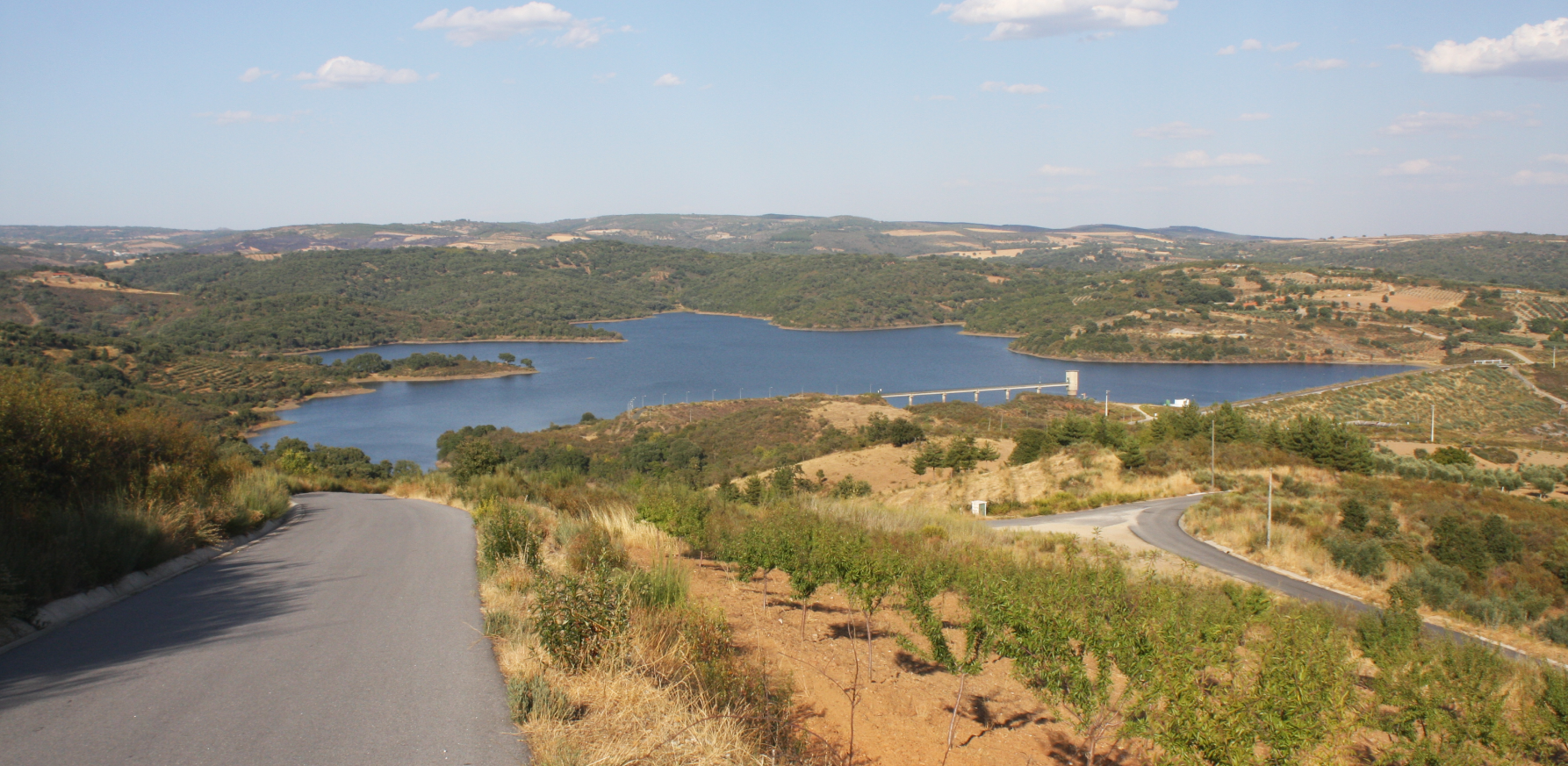
A Geopark is a territorial area with clearly defined limits, which includes a notable geological heritage, associated with a sustainable development strategy.
A Geopark must have a certain set of sites of international, national and/or regional importance, which allow the geological history of the region to be told and learned. Geosites are places of geological interest with scientific, aesthetic, educational or economic value. A geopark must also emphasize the protection and dissemination of the region's archaeological, ecological, historical and cultural values.
This sustainable development strategy is based on three main components, geoconservation, education and geotourism. Geoconservation aims to safeguard the geological heritage of a given region for future generations; education aims to promote the study of geosciences among schools, as well as the general public; and geotourism stimulates the creation of economic activities based on the region's geodiversity, involving the local community.
GEOPARK TERRAS DE CAVALEIROS
The Terras de Cavaleiros Geopark is a well-defined geographical area, coinciding with the administrative limits of the Municipality of Macedo de Cavaleiros, with an important geological heritage to which is added a great biodiversity heritage, a notable historical-cultural heritage, local products, the rich gastronomy and the art of welcoming its people.
The unique Geological Heritage gives the opportunity to go through millions of years in the Earth's history, arousing the interest of geologists from all over the world. The Natural Heritage is different, with stunning and preserved landscapes, keeping alive the identity of the people, who preserve the secret of treating the land, the mastery with which they prepare their dishes and the affection with which they welcome those who visit them.
The Terras de Cavaleiros Geopark takes a proactive role in encouraging tourists to live rewarding experiences, which make them become an active protagonist and not a mere observer of the landscape. It contributes to the affirmation of this as a geotourist destination of excellence, which provides scientific, educational and cultural experiences, where all aspects of this approach contribute to the sustainable development of the territory, keeping its natural characteristics and the authenticity of its people intact.
FOLLOW US ON SOCIAL MEDIA


