 TERRITORY |
HISTORY & CULTURE |
HISTORY
TERRITORY |
HISTORY & CULTURE |
HISTORY
DISCOVER EVERYTHING ABOUT OUR HISTORY!

HISTORY
The Terras de Cavaleiros de Cavaleiros Geopark has a vast historical, archaeological and artistic heritage throughout its territory. It is evident in public, private and religious buildings, old bridges, pillories, diving fountains, among others.
The seat of the municipality of the Terras de Cavaleiros Global Geopark territory is in Macedo de Cavaleiros, with an area of 699.2 km2, 15766 inhabitants corresponding to a population density of 22.6 inhabitants/Km2 (Census 2011). With 30 parishes and 68 villages, it is one of the 12 municipalities in the district of Bragança. Regarding the distribution of the active population across the three sectors of activity, there is a majority allocation to the tertiary sector, compared to the secondary and primary sectors.
In the northeast of Trás-os-Montes, Macedo de Cavaleiros is a land of manor houses located in a fertile valley, next to the Serra de Bornes.
In the century. In the 18th century, one of the region's main activities was silkworm breeding, as evidenced by the ruins of the Royal Filatory of Chacim, which are expected to be reused as part of the "European Silk Road", of which Macedo de Cavaleiros It is headquartered in Portugal.
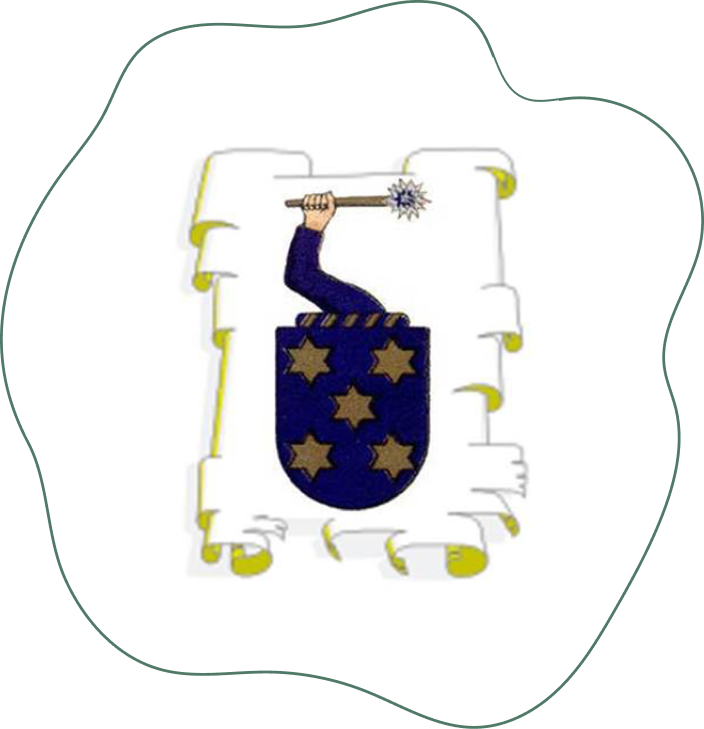
The name “Lands of Knights” results from the combination of the word “lands”, which appears as a medieval allusion and the vastness of the territory, and the word “cavaleiros” given the strength and history associated with the heroic act of the knight Martim Gonçalves de Macedo, who in 1385 in the Battle of Aljubarrota, saved the Master of Avis, future D. João I, King of Portugal, from death.
FOLLOW US ON SOCIAL MEDIA


